


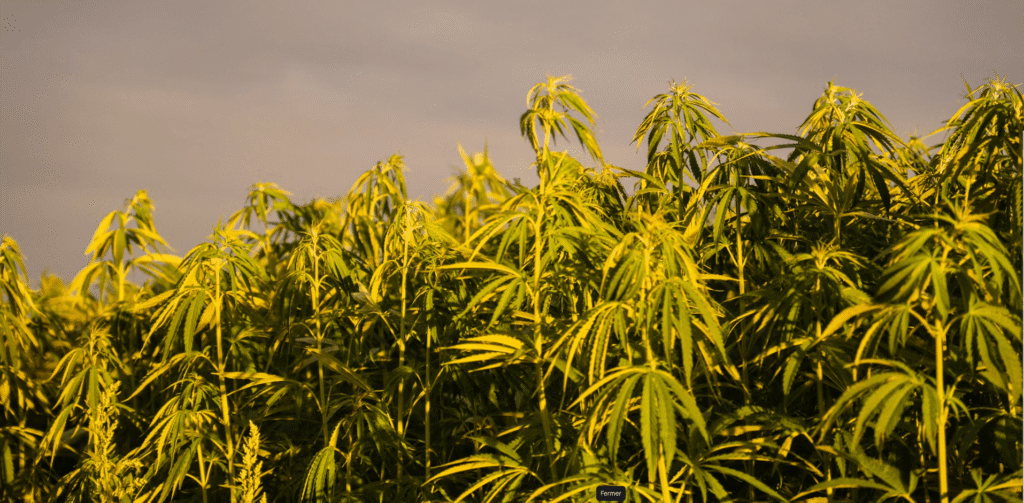
According to figures from the Confédération paysanne, more than 1,500 farming operations in France depend on hemp and, by extension, on CBD. While the sector has been growing steadily, with genuine consumer enthusiasm for these wellness products, the French government has taken a decision that could reshape the entire industry.
Since 15 May 2026, CBD edible products, including oils, gummies and infusions, have been banned from sale in France following a control plan issued by the DGAL (Directorate General for Food). Faced with a measure widely considered scientifically questionable and economically damaging, the industry has decided to take legal action.
The DGAL plan of 15 May 2026: a measure that divides
First and foremost, it is important to clarify that the French government has not moved to ban CBD outright in France.
Which CBD products are actually affected by the ban?
Since 15 May 2026, the Directorate General for Food (DGAL) has been applying, in its strictest interpretation, the European Novel Food regulation (EU 2015/2283). This piece of European legislation governs foods and ingredients that were not part of established consumption habits before 1997. Since CBD is considered a “novel” ingredient, it falls squarely within its scope.
As a result, CBD-based products intended for ingestion can no longer be sold without prior authorisation from the European Union. The products concerned include the following:
- sublingual CBD oils,
- CBD infusions, teas and herbal drinks,
- CBD sweets and gummies,
- CBD-enriched chocolates,
- food supplements.
CBD flowers and resins, cosmetics, e-liquids and inhalable products, on the other hand, remain legal.
A decision made without consulting the hemp industry
The decision underpinning this law of 15 May 2026 was made without any consultation with the sector. On 15 April 2026, the DGAL summoned the main professional organisations, including the UIVEC, UPCBD, AFPC, SPC and Synadiet, to present the new measures.
Yet, by the admission of those directly affected, nothing was put in place to ease the transition or allow businesses time to adapt. No prior consultation had taken place. A month later, on 20 May, the Ministry of Agriculture published a statement calling on consumers to stop purchasing these products altogether.
The consequences were immediate. Companies found themselves sitting on stocks they could no longer shift. For some, their entire commercial future was under threat, with edible products accounting for a significant share of their revenue.
The industry fights back: from ultimatum to legal action
Faced with a decision as sudden as it was unexpected, the industry moved quickly to organise its response.
An unprecedented united front: UIVEC, UPCBD and AFPC join forces
On 21 May, the three main professional organisations in the hemp sector, the UIVEC, the UPCBD and the AFPC, issued a joint statement condemning a decision they described as “scientifically inaccurate.” In it, they demanded the suspension of the control plan within 48 hours and called on the government to open a formal consultation period with the key players in the market. The government did not respond.
As a result, legal proceedings before the Conseil d’État are now under way. It is worth noting that a similar legal challenge had already succeeded in 2022, when the Conseil d’État ruled in favour of the legality of CBD flowers and resins.
Synthetic cannabinoids or natural CBD: a fundamental confusion
At the heart of both the political decision and the industry’s challenge lies the question of synthetic cannabinoids. The authorities justified the application of this European regulation by pointing to the emergence of new synthetic cannabinoids, so-called neo-cannabinoids, and the associated health risks.
However, the plan does not specifically target these substances. It covers all CBD products. For the professional organisations, this confusion is both deliberate and damaging, casting a shadow over CBD itself. Yet cannabidiol is not a psychoactive molecule, and it does not cause dependency.
An agricultural and economic sector under threat
The impact of the DGAL plan extends well beyond specialist CBD shops. More than 1,500 farming operations across France are directly tied to the hemp industry.
The FNSEA, France’s largest agricultural union, has spoken out alongside the AFPC to criticise a measure introduced without any assessment of its impact on supply chains.
The financial losses could be considerable. Businesses and farmers had invested heavily, cultivating land and developing product ranges, only to find themselves facing a direct financial loss with no clear path forward.
What possible outcomes remain for CBD professionals in France?
For now, the decision stands. But in the weeks and months ahead, the situation could evolve. Three scenarios are currently on the table.
First, the Conseil d’État rules in favour of an immediate suspension of the DGAL plan. The industry gains some breathing room, strengthens its case and ultimately wins the argument.
Second, the European Union grants a Novel Food authorisation for CBD food products. This would mean the EFSA had completed its scientific and toxicological assessments, a process that is unlikely to conclude for several years yet.
Third, the government agrees to open genuine negotiations and revises its control plan to focus specifically on the actual public health risks, namely synthetic cannabinoids. However, with elections on the horizon, it is difficult to imagine the executive making CBD a political priority.